An outdoor retailer wanted to move a growing umbrella range away from a trading intermediary and establish a direct relationship with the factory that controlled production. The buyer needed more than a lower quotation. The goal was a traceable specification, a repeatable sample, transparent inspection, and a production partner that could explain how changes were controlled.
The project followed a factory-direct path from audit and pilot production to bulk manufacturing. This case study shows how the buyer evaluated the factory and how the relationship changed product control.
The problem: quotations were clear, production ownership was not
The retailer had received several competitive quotations, but the offers did not clearly show which factory would manufacture the umbrellas, which components would be outsourced, or who would approve substitutions. Sample quality also varied between rounds. Those problems made it difficult to compare prices and created risk for a retail launch.
The buyer needed a factory that could own the frame, canopy, assembly, inspection, and packing standard while still offering the flexibility to adjust colours and packaging for different retail channels.
Step 1: factory audit and capability review
The project began with a structured factory review rather than a price negotiation. The audit covered the production floor, fabric and component storage, cutting and printing, frame preparation, assembly lines, inspection stations, packing, and export preparation.
The buyer also reviewed the quality system: incoming checks, sample retention, in-line inspection, final inspection, defect records, and corrective-action follow-up. Capability was assessed against the actual product range, not against a generic factory profile.
The factory visit followed the same priorities explained in our guide to what happens inside an umbrella factory.
Step 2: define one production specification
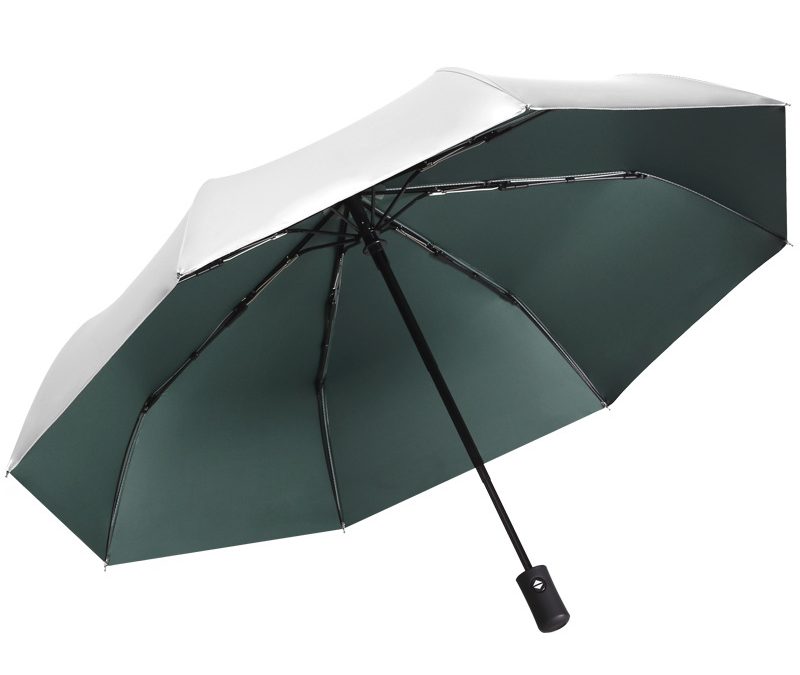
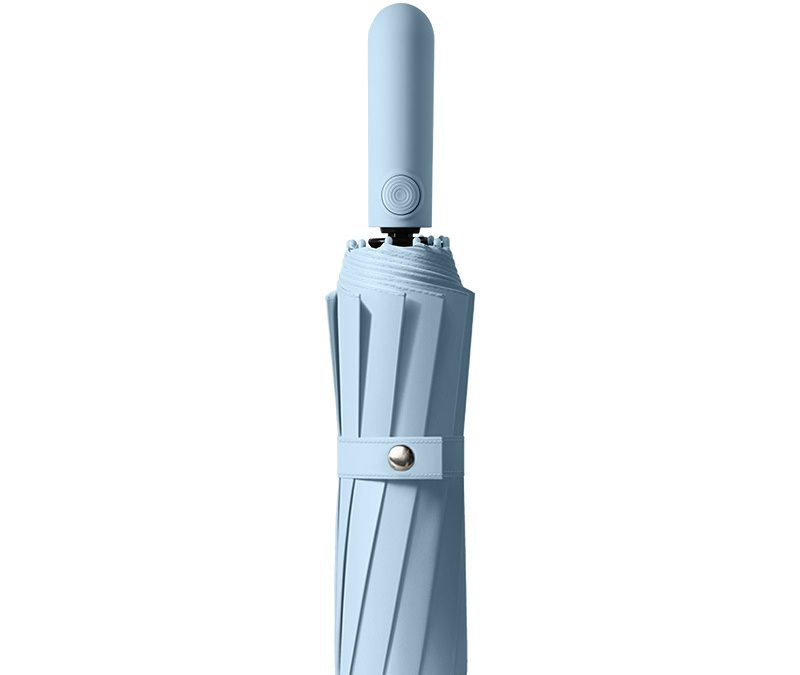
The retailer selected two core products for the first direct order: a reverse automatic rain umbrella and a compact folding travel umbrella. Each product received a written specification covering canopy size, fabric, coating, ribs, shaft, opening system, handle, print method, colour, sleeve, carton, and inspection criteria.
Reference samples were approved for function and appearance. The factory retained the same approved sample as the production reference, while the buyer received a duplicate set for comparison. This prevented different teams from interpreting colour, print position, or handle finish in different ways.
The product brief followed the structure in the umbrella RFQ checklist so all quotations and production documents used the same language.
Step 3: pilot production before the full order
The buyer requested a small pilot run before the main retail order. Pilot production exposed practical issues that a single handmade sample did not reveal: fabric cutting yield, print registration across multiple panels, runner alignment, folding consistency, and packing time.
The pilot units were inspected against the approved sample. The factory recorded corrective actions for minor differences and updated the work instruction before bulk production. This step reduced the risk of discovering a repeatable defect after thousands of units had already been assembled.
Step 4: component traceability and change control
The project defined which changes required written approval. Fabric lot, coating, rib material, shaft specification, handle supplier, print ink, packaging material, and carton quantity could not be changed without buyer approval.
The factory also recorded the main component references used for the order. If a future batch used a different material, the buyer could compare it against the approved record rather than relying on memory.
Step 5: production and in-line inspection
During bulk production, inspectors checked incoming materials, canopy cutting, print registration, frame assembly, and functional testing. The buyer received progress photos and inspection notes at agreed milestones.
The checks covered more than visual appearance. Units were opened and closed repeatedly, the runner and locking action were tested, rib recovery was reviewed, and canopy tension was checked. The umbrella quality control checklist was used as the baseline and adapted to the two product types.
Step 6: final inspection and retail packing
Before shipment, final inspection covered the complete sellable unit: product function, appearance, print position, colour, handle condition, sleeve, label, barcode, pack quantity, and master carton condition. The buyer received inspection records and retained the approved packing sample.
The factory packed each retail model separately and marked the cartons for the correct destination. This made receiving and distribution easier and reduced the chance that mixed stock would reach the wrong sales channel.
The result: a factory relationship the buyer could manage
The retailer gained direct access to the production team, a documented specification, a repeatable sample, and a clear corrective-action process. The factory gained a more stable order forecast and fewer last-minute changes because the buyer understood which decisions affected tooling, materials, and lead time.
The direct relationship did not remove every risk, but it made each risk visible and assignable. That is the practical value of factory-direct sourcing.
What other buyers can apply
Do not choose a factory only from a catalogue or unit price. Audit the operations that matter to your product, define one written specification, run a pilot batch, approve the production sample, and control changes after approval.
For a comparable program, review the reverse automatic rain umbrella and the premium windproof golf umbrella, or start with our OEM custom umbrella process and factory profile.
What factory-direct production quality requires
A factory-direct program is more than removing a trading company. The buyer still needs factory verification, traceable components, a production-representative sample, pilot approval and inspection criteria that follow the approved specification.
Connect this case to the OEM service, factory capability and quality-control resources:
Frequently asked questions
What does factory-direct umbrella production include?
It can include factory selection, specification control, sampling, component traceability, pilot production, inspection, packing and repeat-order planning directly with the manufacturer.
How were traceability and quality control handled?
The project linked approved components and specifications to production checks, then used pilot production and inspection records to confirm that the shipped product matched the approved sample.
What should a buyer prepare for a factory-direct project?
Prepare the product specification, quantity plan, target market, artwork, packaging, testing requirements, inspection standard, delivery schedule and commercial terms before production starts.