Quick answer: a custom umbrella model does not always require a completely new factory tool. Brands can start from a proven umbrella platform, reuse the validated frame family, canopy geometry, opening system, and shaft interface, then customize the visible and commercial parts that create differentiation. The safest approach is to treat every reused and changed component as a controlled engineering decision, not as a cosmetic order.
A platform-based project can reduce sampling time, tooling cost, and first-order risk while still producing a model that is unique enough for a retailer, promotional program, hotel group, or private label. The key is to understand where the platform stops and real development begins.
What counts as an umbrella factory platform?
In umbrella manufacturing, a platform is more than a stock color. It is a validated product architecture that may include a canopy size, panel pattern, rib profile, hub, shaft diameter, runner, opening spring, locking position, handle interface, and known folded dimensions.
When platform customization is the right choice
This route usually fits when the buyer needs a new market-ready model within a practical development window, wants to test a brand or retail concept before committing to fully new tooling, or needs several related SKUs built around a stable quality baseline.
Full custom development is more appropriate when the project requires a new folded size, a different opening architecture, a proprietary safety feature, a unique canopy shape, or a mechanism that cannot be sourced from the platform. Review the new umbrella product development process before deciding.
What can usually be changed on a platform
Many buyer-visible details can be changed without altering the core structure. Canopy fabric and coating can be selected for water repellency, UV protection, texture, recycled content, or a target cost. Color can be matched to a physical fabric standard rather than a screen color. Logo placement can be changed to suit one panel, multiple panels, a sleeve, or packaging.
Handles, tips, caps, rings, runners, shaft finishes, stitch colors, labels, zipper pulls, and gift packaging can often be replaced if their dimensions and attachment methods remain compatible. A new handle shape may require a new mould, while a new color or surface finish on an existing mould may not.
Changes that can trigger new tooling
New tooling may be necessary when the change affects a moulded handle, hub, runner, cap, or other injected component. It can also be required when the canopy panel geometry changes, the rib length changes, the shaft diameter changes, or the opening mechanism needs a different spring and locking arrangement.
A structure change should trigger a new risk review. Ask whether the revised part changes the opening force, canopy tension, wind recovery, weight, folded length, drop safety, or packing dimensions. If the answer is unclear, the project needs testing before a bulk order.
Use the umbrella customization levels guide to separate stock modification, platform development, and full OEM work. That decision prevents a small visual change from being quoted as a completely new product by mistake.
Platform development versus full custom development
Platform development starts with an approved base and a defined change list. Full custom development starts with a new function or geometry and builds the architecture around it. The second route offers more freedom, but it normally requires more engineering, more samples, more validation, and a higher commercial commitment.
Eight steps from platform selection to bulk order
- Define the market: explain the country, channel, user, season, price band, and main competitor.
- Select the platform: match canopy size, folded length, weight, opening system, and target performance.
- Create the change list: separate reusable parts from modified parts and fully new parts.
- Run a feasibility review: confirm component fit, tooling needs, MOQ, test requirements, and lead time.
- Approve materials and artwork: use a physical color standard and production-representative print or mock-up.
- Build the sample: use the intended materials, components, and assembly method, then inspect function and appearance.
- Validate a pilot: check assembly consistency, defect trends, packing, barcode, and carton quantity before scaling.
- Freeze the specification: record the approved sample, tolerances, inspection points, and change-control process.
Sample planning should follow the umbrella RFQ and sampling checklist. A platform reduces risk, but it does not remove the need to approve a production-representative sample.
What drives cost, MOQ, and lead time?
The main cost drivers are the number of changed components, whether new moulds or fixtures are required, the fabric and coating selected, the number of print positions, the complexity of the handle, and the packaging format. MOQ is influenced by material minimums, custom colors, print setup, moulding, and packing.
Send a clear umbrella RFQ with quantity, target price, use case, dimensions, artwork, packaging, market, and required date. The quote is more useful when it explains assumptions and exclusions.
What to validate before approving the model
Open and close the product repeatedly, check canopy tension, inspect print registration, compare the colour under agreed lighting, test the handle and runner, measure folded dimensions, confirm weight and balance, review the sleeve and carton, and verify that the product still matches the approved platform requirements.
Build a differentiated model without unnecessary risk
The strongest platform project is not the one with the longest change list. It is the one that changes the details customers value while preserving the architecture the factory already knows how to build consistently.
Start with a clear commercial goal, review the platform honestly, approve a production-representative sample, and control every change after approval. Explore the OEM custom umbrella process or review the custom umbrella product range to begin your model brief.
Next decision: when the platform is approved, use the private-label umbrella launch guide to organise the sample kit, artwork, packaging and first-order handoff. If the model will be sold in a territory through partners, review the umbrella distributor and agency program.
For the canopy comparison that affects wind behaviour, packed size, print alignment and cost position, read the single canopy versus double canopy umbrella guide before freezing the platform.
Select the platform by product category and change list
Platform customization works best when the reused structure and changed parts are recorded separately. Use these category links to compare what can be changed safely within each product family.
| Buyer use | Product category | Indexed product example | Why it fits | Confirm before quoting |
|---|---|---|---|---|
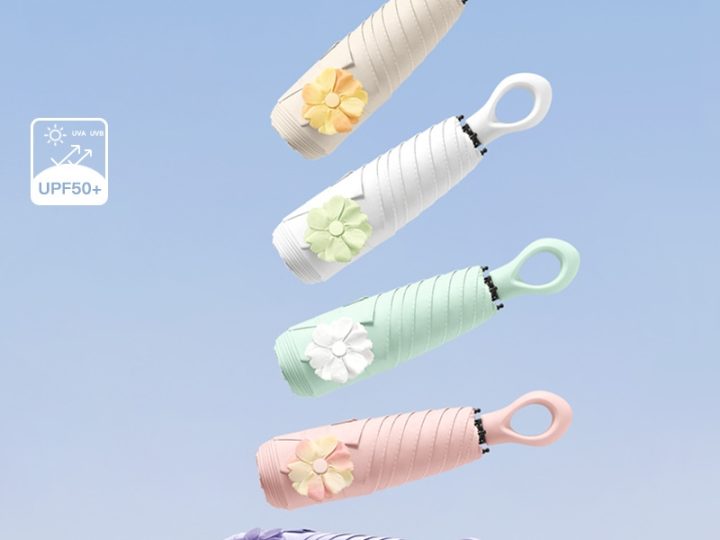
| Compact range extension | Wholesale compact umbrella category | 6-rib five-fold black UV capsule umbrella | Use a proven folding platform and change colour, print and packaging. | Folded length, hinge count, runner and weight target. |
| Sun and retail platform | Wholesale sun umbrella category | 10-rib golden-frame automatic sun umbrella | Change canopy coating or handle finish without changing the frame family. | UV evidence, colour standard and panel artwork. |
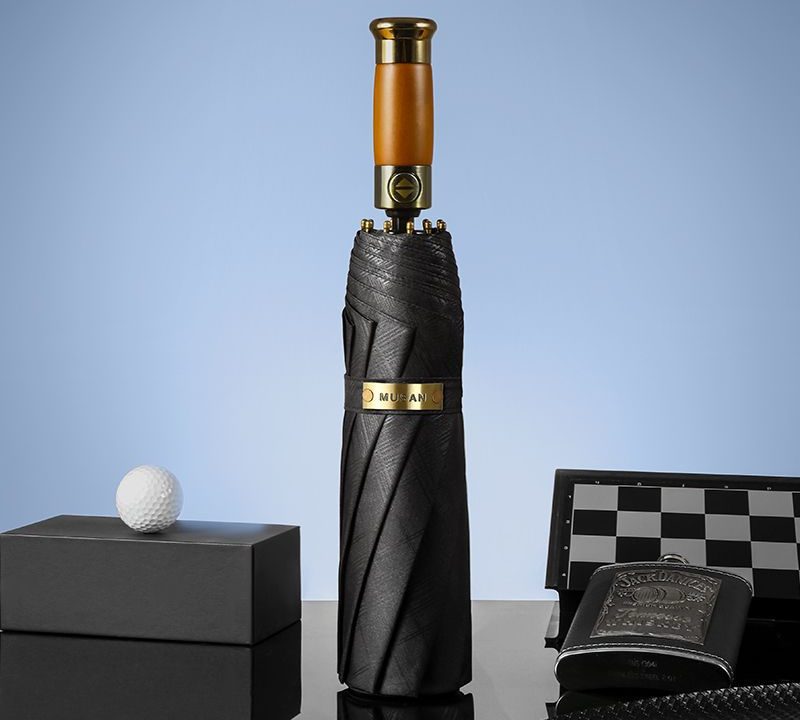
| Rain and business platform | Wholesale rain umbrella category | 16-rib automatic wood-handle folding umbrella | Change shaft or handle finishes only after checking balance and mechanism fit. | Frame load, handle mould, test plan and packing volume. |
| Outdoor platform | Wholesale beach umbrella category | double-top garden and beach umbrella | Pole, tilt or base changes can require new parts and anchoring checks. | Engineering review, base compatibility, spares and carton size. |
The category links are the broad buying paths; the product links are working examples, not the only available models. Confirm current specifications, MOQ and packaging with each quotation.