Quick answer: importing umbrellas successfully depends on four controls: a written product specification, an approved physical sample, an inspection plan that matches the order, and shipping documents that match the packed goods. Price matters, but a buyer who manages those four controls is less likely to receive a shipment that cannot be sold, stored, or cleared efficiently.
This guide is written for importers, distributors, promotional suppliers, and brand teams buying folding umbrellas, long-handle umbrellas, golf umbrellas, or outdoor models from China. It focuses on the practical sequence from supplier confirmation to arrival inspection. It does not replace advice from a qualified customs broker or local compliance specialist.
1. Start with an import brief, not a freight quote
A freight quote is only useful after the buyer knows what is being shipped. Prepare a brief that states the umbrella type, open diameter, folded length, canopy fabric, frame material, rib count, opening system, handle, logo method, packaging, quantity, destination country, and required delivery date. Include the target market and the way the product will be sold or distributed.
A clear brief lets the supplier quote the same product twice instead of guessing at the specification. It also creates the baseline for the umbrella RFQ checklist and prevents later arguments about fabric, dimensions, print position, or packaging.
2. Confirm the supplier scope and the written specification
Ask which processes the supplier performs in-house and which are handled by partner factories. Canopy cutting, printing, frame assembly, handle production, final packing, and carton labelling may involve different teams. The supplier should be able to explain the complete route from raw materials to the packed finished unit.
Request a written specification before the first sample is made. The document should identify measurable details rather than marketing descriptions: fabric type and weight, coating, rib material and profile, shaft type, mechanism, handle material, print placement, and the packed unit count. Where a component is flexible, state the acceptable alternatives and who approves a substitution.
For folding and long-handle models, compare the intended structure with the umbrella frame materials guide. A frame that looks suitable in a photograph may not match the wind, weight, or durability requirement of the destination market.
3. Agree on Incoterms and service boundaries
Confirm whether the quotation is based on EXW, FOB, CIF, DAP, DDP, or another agreed term. The term determines who arranges export clearance, main freight, insurance, import clearance, duties, and final delivery. Buyers should also ask what is excluded when comparing prices from different suppliers.
For a first order, request a landed-cost worksheet that separates product cost, printing, packaging, inland transport, freight, insurance, destination charges, and any known customs costs. The exact numbers depend on the product and destination, so use a qualified freight forwarder or customs broker for the final calculation.
4. Approve a production-representative sample
A sample should represent the fabric, frame, mechanism, handle, print, and packaging the buyer expects in bulk. Review it open and closed, not only in a studio photograph. Check canopy tension, runner movement, locking action, handle fit, stitching, seam appearance, rib alignment, logo placement, and the packed presentation.
Record the approval date, sample round, approved deviations, and the person who approved each item. Keep a physical reference sample with the supplier and, where practical, retain one at the buyer’s office. The agreed sample becomes the reference for inspections and corrective action.
5. Build an inspection plan around umbrella risks
Inspection should cover the defects that matter to the product and the sales channel. A generic checklist may miss issues such as mismatched panels, print distortion across seams, loose rib tips, sticky opening, uneven folds, colour variation, missing accessories, or incorrect carton labels.
Define inspection timing before production begins. Incoming material checks, in-line checks, final random inspection, and carton inspection answer different questions. A final inspection should compare the finished product with the approved sample, confirm quantity and assortment, and verify packed dimensions and shipping marks.
Use the umbrella QC and import checklist to turn the specification into measurable checks. Decide in advance which defects are critical, major, or minor and what happens if the result falls outside the agreed acceptance criteria.
6. Lock carton and packaging data before booking freight
Carton planning affects warehouse handling, freight volume, and whether the product arrives in saleable condition. Confirm the individual unit pack, inner pack, carton quantity, carton dimensions, net weight, gross weight, carton material, printing, barcode, and handling marks. If the order contains several colours or models, provide a packing list that shows how the assortment is distributed.
Ask how the umbrella is protected during transport. The carry sleeve, hang tag, retail box, insert, and master carton should all fit the approved product and survive normal handling. Review the custom umbrella packaging guide when retail presentation or corporate gifting is part of the requirement.
Before booking, ask the supplier to send final carton measurements and a pack-out photo. Small dimension changes can alter freight calculations and warehouse storage planning, so the shipping team should work from the actual packed goods rather than an early estimate.
7. Choose the shipping method around the real constraint
Sea freight, air freight, express courier, and rail or multimodal options solve different problems. Sea freight can suit larger, non-urgent orders; air freight can reduce transit time but usually changes the cost equation; express can be useful for samples or small urgent quantities. The right decision depends on volume, deadline, destination, product value, and the buyer’s ability to wait.
Do not compare only the freight rate. Compare cut-off dates, transit time, route reliability, insurance, destination charges, clearance requirements, and the cost of moving the shipment from the port or airport to the warehouse. A lower headline rate may produce a slower or more expensive door-to-door result.
8. Prepare documents and consignee details early
Confirm the commercial invoice, packing list, bill of lading or air waybill, certificate of origin where applicable, and any product-specific documents required by the destination market. The supplier can prepare export documents, but the importer remains responsible for confirming what the destination requires.
Check that the consignee name, address, tax or registration details, contact information, and delivery instructions are consistent across the commercial documents. Errors in a shipping mark, product description, or consignee record can delay clearance even when the umbrellas themselves are correct.
9. Inspect arrival and close the quality loop
When the shipment arrives, check carton quantity and condition before signing off. Note visible damage, shortages, or discrepancies and photograph the packaging and pallet condition where appropriate. Inspect a sample of the contents against the approved specification and packing list.
If a problem appears, separate facts from assumptions. Record the model, quantity affected, defect description, photos, carton number, and the agreed acceptance criterion. A supplier with a controlled process should be able to trace the issue to a material batch, production stage, or packing step and propose a corrective action.
10. Common umbrella import mistakes to avoid
- Requesting a price before the product specification is complete.
- Approving a sample that does not represent bulk materials or production.
- Using the word windproof without defining a test method or performance target.
- Confirming packaging after the freight quote has already been issued.
- Assuming a supplier quote includes the same freight and destination responsibilities as another quote.
- Leaving colour, logo placement, or packaging approval in chat messages rather than a controlled document.
- Booking shipment before final quantity, carton data, and shipping marks are confirmed.
- Treating a low unit price as the whole landed cost.
What to send when requesting an import quotation
Provide the model reference, target quantity, colours, logo artwork, fabric and frame requirements, packaging direction, destination city or port, required delivery date, and preferred Incoterm. State whether the first order is a market test or a repeat program, because that affects sampling, packing, and production planning.
For a broader product review, browse the umbrella product collection and compare current folding, long-handle, golf, and outdoor directions. If a standard model needs new colours, printing, or packaging, define the change in writing before asking for a final quotation.
For a worked example of comparing several umbrella platforms before an import order, see the new B2B custom umbrella models comparison, which sets frame, weight, carton quantity and channel fit side by side.
Frequently asked questions
Should I use FOB or DDP for a first umbrella order?
Neither term is automatically better. FOB gives the buyer more control over freight and destination services, while DDP can simplify the seller’s responsibility boundary but may make the cost breakdown less transparent. Choose the term that matches your experience, freight partners, and ability to manage import clearance.
When should the final inspection happen?
It should happen after production is complete and the goods are packed, but before the shipment leaves the supplier’s control. If the order is large or the product is new, in-line inspection can identify problems earlier and reduce rework.
What documents should be checked before shipment?
Confirm the commercial invoice, packing list, transport document, product description, quantity, carton count, shipping marks, and any destination-specific documents requested by the importer’s customs broker. The document set should match the physical shipment.
Conclusion
Importing umbrellas from China becomes manageable when the buyer controls the specification, sample, quality plan, packing data, and document set in the correct order. Start with the product, not the freight rate. Approve what will be produced, inspect what was produced, and confirm what is being shipped before the goods leave the factory.
Prepare the first request against the umbrella RFQ checklist, review the quality-control criteria, and use the contact page when you are ready to discuss a specific model, quantity, and destination.
Large-canopy import example: if the shipment contains garden or beach umbrellas rather than folding models, use the double-top garden and beach umbrella export guide to review frame, base, carton and installation requirements before the inspection plan is finalised.
Plan the import around the umbrella category
Different umbrella categories fail, pack and ship in different ways. Use the category links to compare the buying route, then apply the same written specification and inspection logic before consolidating a shipment.
| Buyer use | Product category | Indexed product example | Why it fits | Confirm before quoting |
|---|---|---|---|---|
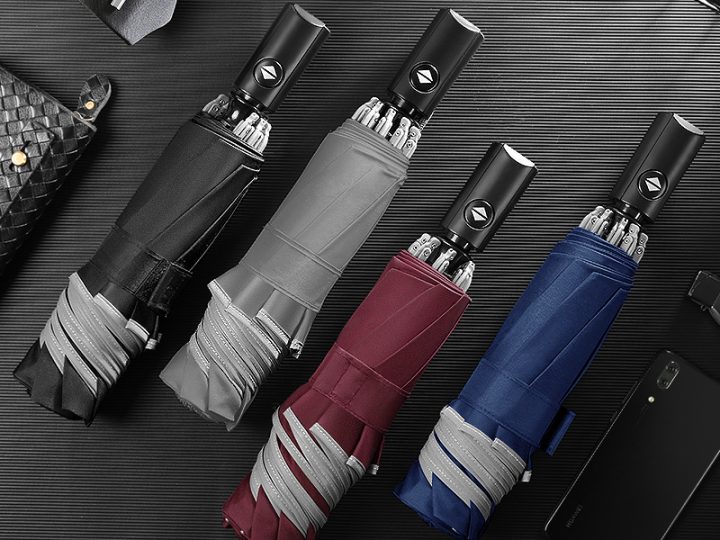
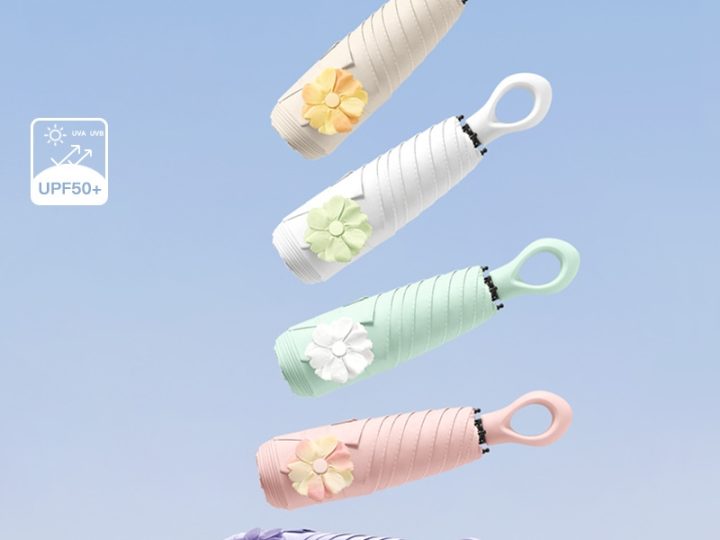
| Compact retail and travel | Wholesale compact umbrella category | 6-rib five-fold black UV capsule umbrella | Small packed size increases carton quantity but adds folding joints to inspect. | Folded dimensions, mechanism quality and carton compression. |
| Sun and UV ranges | Wholesale sun umbrella category | 10-rib golden-frame automatic sun umbrella | Coating and colour claims must match the shipment and support documents. | Coating test reference, colour approval and carton humidity protection. |
| Rain and business ranges | Wholesale rain umbrella category | 16-rib automatic wood-handle folding umbrella | Larger frames and long handles change freight volume and inspection requirements. | Shaft alignment, rib strength, water behaviour and export packing. |
| Hotel and outdoor shade | Wholesale beach umbrella category | double-top garden and beach umbrella | Canopy size, poles and bases create different carton and shipping calculations. | Base inclusion, packed length, tilt/crank parts and replacement spares. |
The category links are the broad buying paths; the product links are working examples, not the only available models. Confirm current specifications, MOQ and packaging with each quotation.