Quick answer: custom umbrella color matching is the process of translating a brand color into a specified fabric, coating, print method, and production tolerance. A Pantone reference is the starting point, not the final proof. Buyers should approve a physical lab dip or printed sample under controlled light, then compare production against that reference.
Why a Pantone number is not enough
Pantone references are created for different materials and production systems. A color specified for coated paper may not reproduce in the same way on pongee, polyester, nylon, recycled fabric, or a UV-coated canopy. Fabric weave, yarn color, surface reflection, coating, ink opacity, and heat during printing all change the final appearance.
A color can also look different when the umbrella is flat, stretched over ribs, wet, dry, or viewed outdoors. The approved reference therefore needs to describe the actual finished material and the conditions in which it will be judged.
Choose the right reference for the material
For textiles, ask the supplier which Pantone system they use for lab dips. TCX references are commonly used in textile development, while paper references may be used for printed packaging. If the programme includes both fabric and packaging, approve them separately.
Send the exact code, name, and color direction. A screenshot, phone photo, or RGB value is not a substitute for a controlled reference. If the brand has an existing physical swatch, send it with the brief and state whether it represents the target or only an approximate direction.
How fabric and coating change the result
Dyed fabric and printed fabric behave differently. A dyed canopy may show the color consistently through the material, while a printed canopy places ink on the surface. Screen printing can provide strong opacity and cost efficiency at higher quantities, but each color adds a print position and setup. Heat transfer and digital methods can reproduce detailed artwork and gradients, but color may change when heat, pressure, or coating is applied.
Silver, black, and transparent UV coatings alter the surface before the final color is visible. A bright brand color may become darker or more reflective after coating, while a pale color may lose contrast against a silver finish. Review the umbrella fabric selection guide before approving the color direction.
Approve a physical lab dip or printed sample
A lab dip is a small material sample prepared with the proposed dye or finish. A printed proof shows how the actual artwork behaves when applied to the canopy. For a custom umbrella, the best approval sample combines the intended fabric, coating, print method, ink, and final seam construction whenever practical.
Record the sample date, reference code, supplier, material, coating, print method, and lighting conditions. Photograph the approved sample under daylight and neutral indoor light, but keep the physical sample as the controlling reference. Digital photographs can shift on different screens and should not be used as the only production standard.
Define an acceptable color tolerance
No production process can reproduce every surface with zero variation. Establish a practical tolerance for hue, saturation, lightness, and surface finish before bulk production. The tolerance should reflect the material and price position. A premium gift umbrella may justify tighter control than a high-volume promotional model.
State how color will be assessed: under cool daylight, neutral light, or the buyer’s specified light box. Avoid approving a color in one lighting condition and rejecting it in another without a written standard. If the brand uses a packaging color that must match the umbrella, explain which item controls the match.
Colorfastness and performance testing
Color approval should also consider how the canopy performs after light exposure, water contact, rubbing, and repeated folding. Ask for the applicable test method and sample standard for the intended market. Do not assume that a vivid color is automatically lightfast or that a coated fabric will keep the exact appearance of the uncoated swatch.
For sun umbrellas, UV performance and color stability should be reviewed together. For rain umbrellas, water repellency and coating adhesion may affect the final surface appearance. The checks in our umbrella quality control checklist can be extended with a color-specific inspection plan.
How to control color in bulk production
Keep the approved sample at the factory as the production reference. Define which panels, print positions, and lots will be checked. During production, inspect the canopy against the retained sample under consistent light and record any deviation before packing.
For multi-color programs, control the palette as a system. If one color changes, the contrast and hierarchy of the complete design may change as well. Limit the number of colors where possible, especially for small orders, because every additional ink or fabric variation increases setup and approval work.
The double canopy and single canopy comparison is also relevant when two fabric layers overlap. Inner and outer colors must be approved as a pair, not separately on different materials.
Common color-matching mistakes
- Approving a color from a phone screen or RGB value.
- Using a paper Pantone reference for a coated textile without a lab dip.
- Changing the fabric, coating, or print method after color approval.
- Judging the sample under different lighting from bulk production.
- Ignoring the effect of seams, folds, and the open canopy on color perception.
- Failing to retain the approved physical sample at the production site.
Build color approval into the production brief
Include the color reference, material, coating, print method, acceptable tolerance, lighting standard, test requirements, and approval owner in the same specification used for sampling and quality control. This prevents color from becoming a last-minute discussion after the canopy has already been printed.
For a connected buying process, review the umbrella RFQ checklist, compare custom logo business umbrellas, and use our OEM custom umbrella process to coordinate color, artwork, sampling, and bulk production.
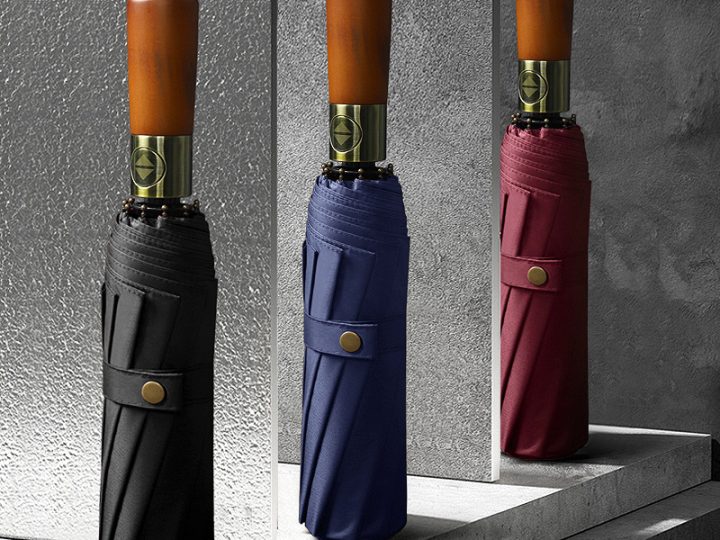
For a retail example of reversible colour-coated canopy planning, compare the 21-inch 8-rib retro folding umbrella with a small wooden handle and review its colour combinations against your own collection palette.
For premium hardware and dark-canopy colour planning, compare the antique bronze wood-handle umbrella. For a fashion-led dark palette, review the punk folding umbrella with silver ring accents.
Frequently asked questions
Can a Pantone number guarantee an exact umbrella colour?
No. A Pantone reference is a starting point, not a production guarantee. Fabric, coating, print method, and lighting all change the final appearance, so the colour should be approved on a physical lab dip or printed sample made from the intended material.
What is a lab dip and why is it needed?
A lab dip is a small material sample prepared with the proposed dye or finish. It shows how the colour behaves on the actual fabric before bulk production. Approving from a screen or paper reference alone often leads to rejection later.
How much colour variation is normal in bulk production?
Some variation is normal, but the acceptable range should be defined in writing before production. The tolerance depends on the material and price position: a premium gift umbrella may justify tighter control than a high-volume promotional model.
How does coating affect umbrella colour?
Coating can change lightness, gloss, and hue, and it may behave differently on the inside and outside of the canopy. Approve the coated fabric, not an uncoated swatch, and confirm how the coating performs after water contact and folding.
How do we check colour during bulk production?
Keep the approved sample at the factory, inspect each lot under consistent lighting, and record any deviation before packing. For multi-colour designs, check the complete palette rather than judging each colour separately.