A useful umbrella quotation depends on clear inputs. Missing information often leads to broad pricing ranges, repeated questions, or samples that do not match the buyer’s actual intention.
Product information
Provide the umbrella type, reference image or sample, open diameter, number of ribs, fabric, frame, opening system, handle, and target weight if relevant.
Branding information
Send the logo in an editable file, preferred colors, print position, artwork size, and any requirements for woven labels, buttons, straps, sleeves, or tags.
Commercial information
Confirm the estimated quantity, target market, target price if available, required delivery date, destination port or city, and preferred shipping method.
Packaging requirements
Describe the individual package, retail box, display carton, shipping mark, barcode, and any marketplace-specific labeling requirements.
Review the quotation as a project
Compare the quoted specification, sample plan, production schedule, quality-control steps, payment terms, and shipping responsibilities rather than price alone.
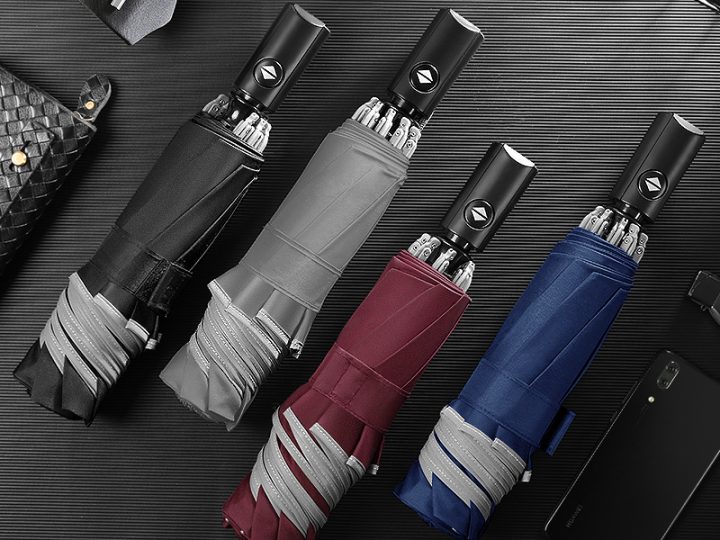
When preparing an RFQ for a larger business umbrella, use the 12-rib automatic business umbrella and the 10-rib business folding umbrella as specification examples.
How to turn the checklist into comparable quotations
When several suppliers quote the same brief, the lowest number is only meaningful if the specification is identical. Ask each supplier to state the canopy size, rib count and material, shaft, opening system, fabric, coating, handle, print method, packaging, sample schedule, production lead time, inspection standard, carton data, and shipping term. A quotation that leaves those fields open cannot be compared fairly with a complete offer.
Use the same product reference and artwork package for every quotation. If one supplier changes the frame, reduces fabric density, substitutes a handle, removes an insert, or shortens the packing process, the unit price may look better while the delivered product is materially different.
Prepare for the sample and production stages
Before approving the quotation, confirm who owns the sample cost, how artwork revisions are handled, what happens if the sample does not match the approved specification, how pre-shipment inspection is performed, and which documents are required for the destination market. These details prevent avoidable delays after the order is placed.
Use the OEM vs ODM guide to choose the development route, review retail packaging requirements, and start from a proven umbrella platform where possible.